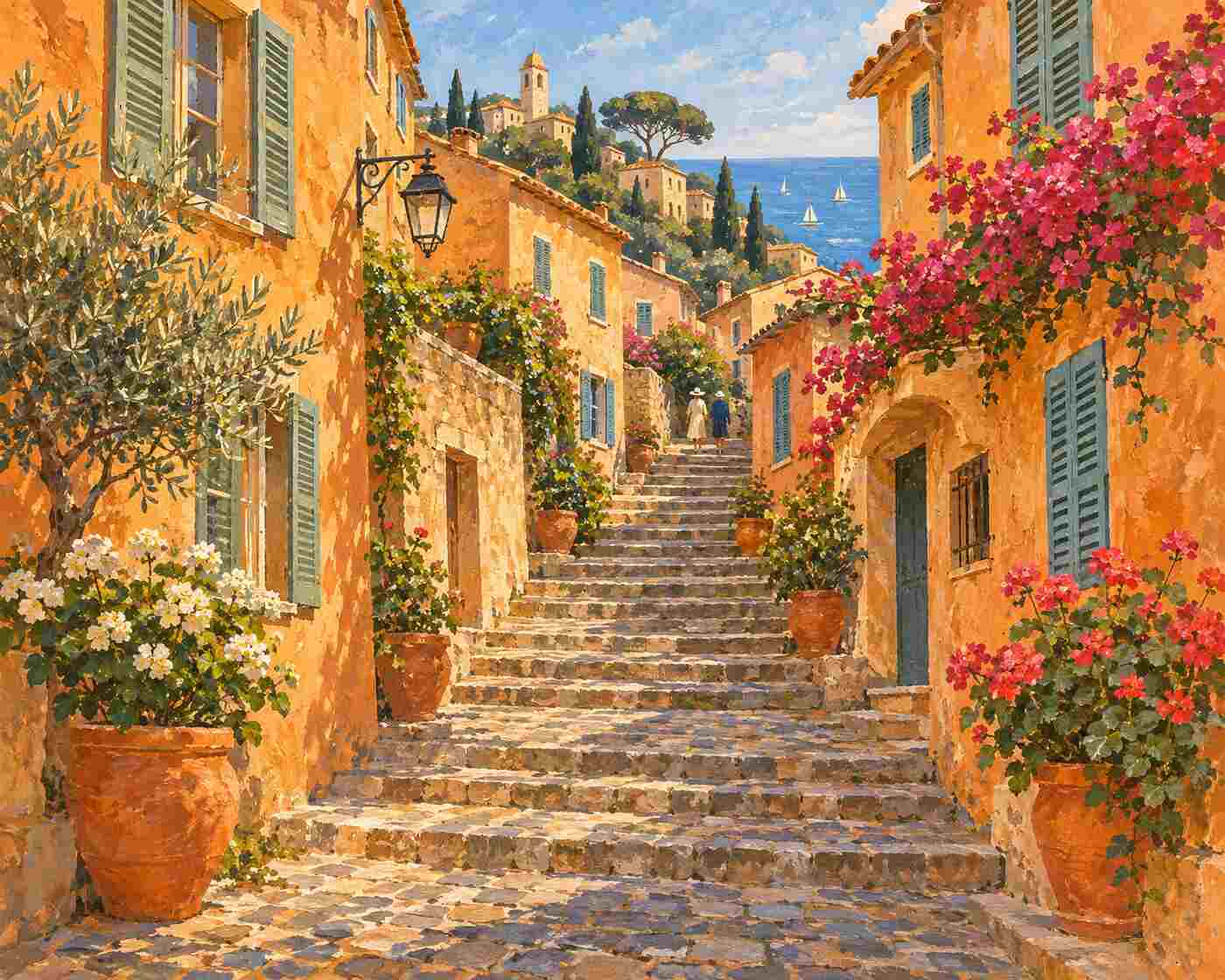
In short: Le Suquet is the hill above the old port where Cannes began. At the top stand the square tower of Mont Chevalier, built by the monks of Lérins; the church of Notre-Dame d’Espérance, begun in 1521; and the old castle, now the Musée des Explorations du Monde. At its foot, the Forville market opens every morning except Monday outside summer.
Before the Croisette, the palace hotels and the film festival, Cannes was a fishing village on a hill. That hill is Le Suquet, about ten minutes’ walk west of the Palais des Festivals, and it still holds the oldest buildings in town. This guide covers what to see, how old it is and where to eat and shop below it, using the Cannes town hall, the tourist office and independent local guides. Where they disagree on dates, which they often do for medieval buildings, we give each version. To plan the rest of your trip, see our Cannes travel tips.
Some definitions. Le Suquet is the old quarter on the hill of Mont Chevalier. The Vieux Port is the old harbour below it. The monks of Lérins are the community of the abbey on the island of Saint-Honorat, who once controlled the hill. A marché provençal is a traditional Provençal food market.
How old is Le Suquet?
The hill was settled long before the town below. Nomado says the monks of Lérins fortified it in the medieval period, building a watchtower and a castle to defend the coast, and that the fishing community around the port eventually became Cannes. Cannes City explains the logic simply: a hill can be defended, a beach cannot.
The resort came much later. Nomado dates the start of Cannes as a winter resort to the arrival of Lord Brougham in 1834, when the fishermen of Le Suquet were already several generations into their trade. Evendo traces the site back further still, through Ligurian and Roman times.
The tower of Mont Chevalier
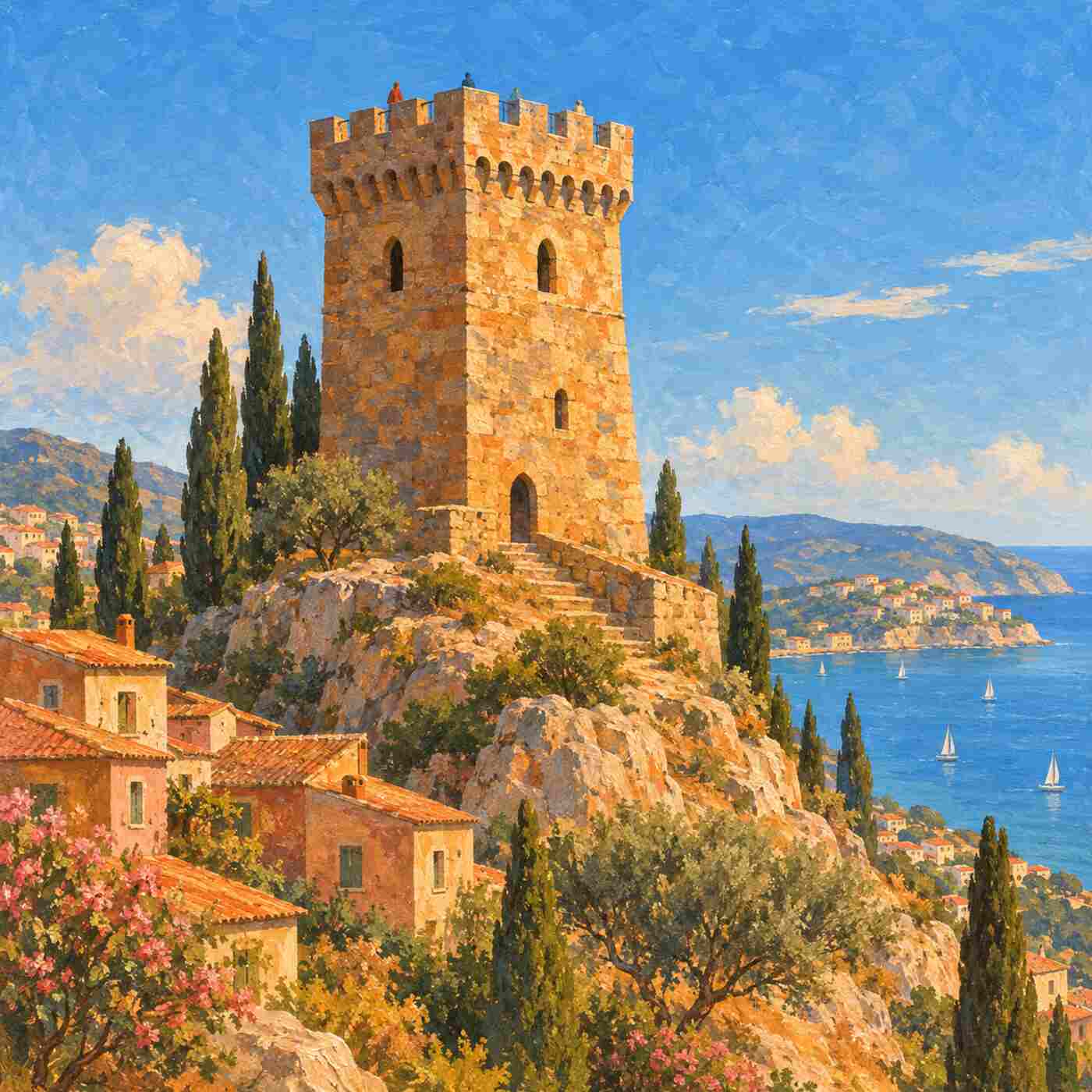
The square tower is the oldest visible structure in Cannes, according to Cannes City, which says it was built by the monks of Lérins. Sources differ on the century: Yeppa dates it to the 11th century, while Cruise Turtle says the 12th. Cruise Turtle counts 109 steps to the top, and the view takes in the port, the Croisette in profile and the Lérins Islands opposite, as Cannes City puts it.
Notre-Dame d’Espérance
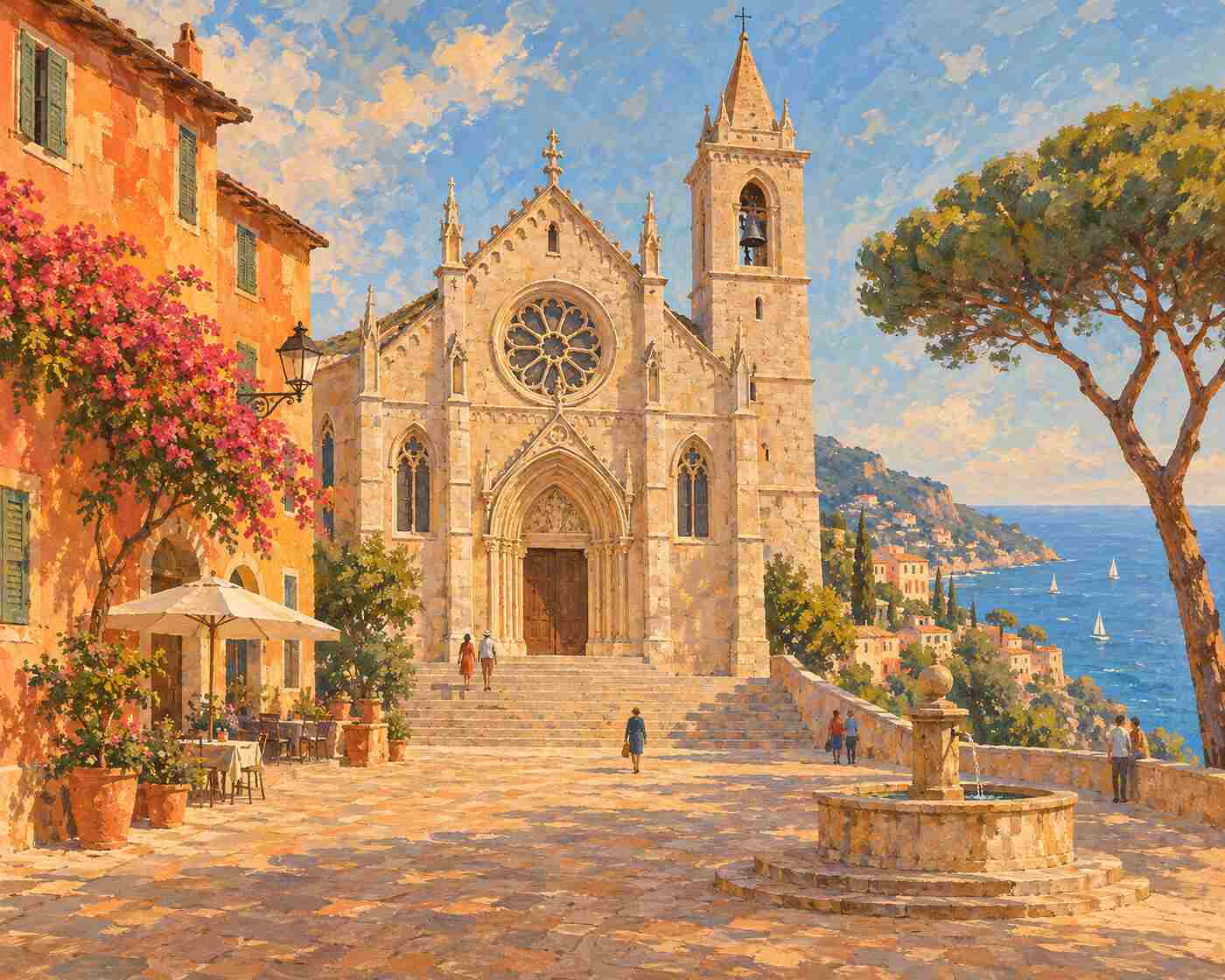
On the same esplanade stands the church. Cannes City describes it as late Provençal Gothic, unusual in a region that built little in that style, with a plain interior. Nomado calls it a classified historic monument begun in 1521 and largely completed by 1627, with free entry. Cruise Turtle adds that the work was meant to take three years and took more than a century. Some guides describe it as 15th century, so dates on signs and websites vary.
The forecourt is one of the best viewpoints in town. Come in the late afternoon, when the light falls across the bay towards the islands.
The museum in the old castle
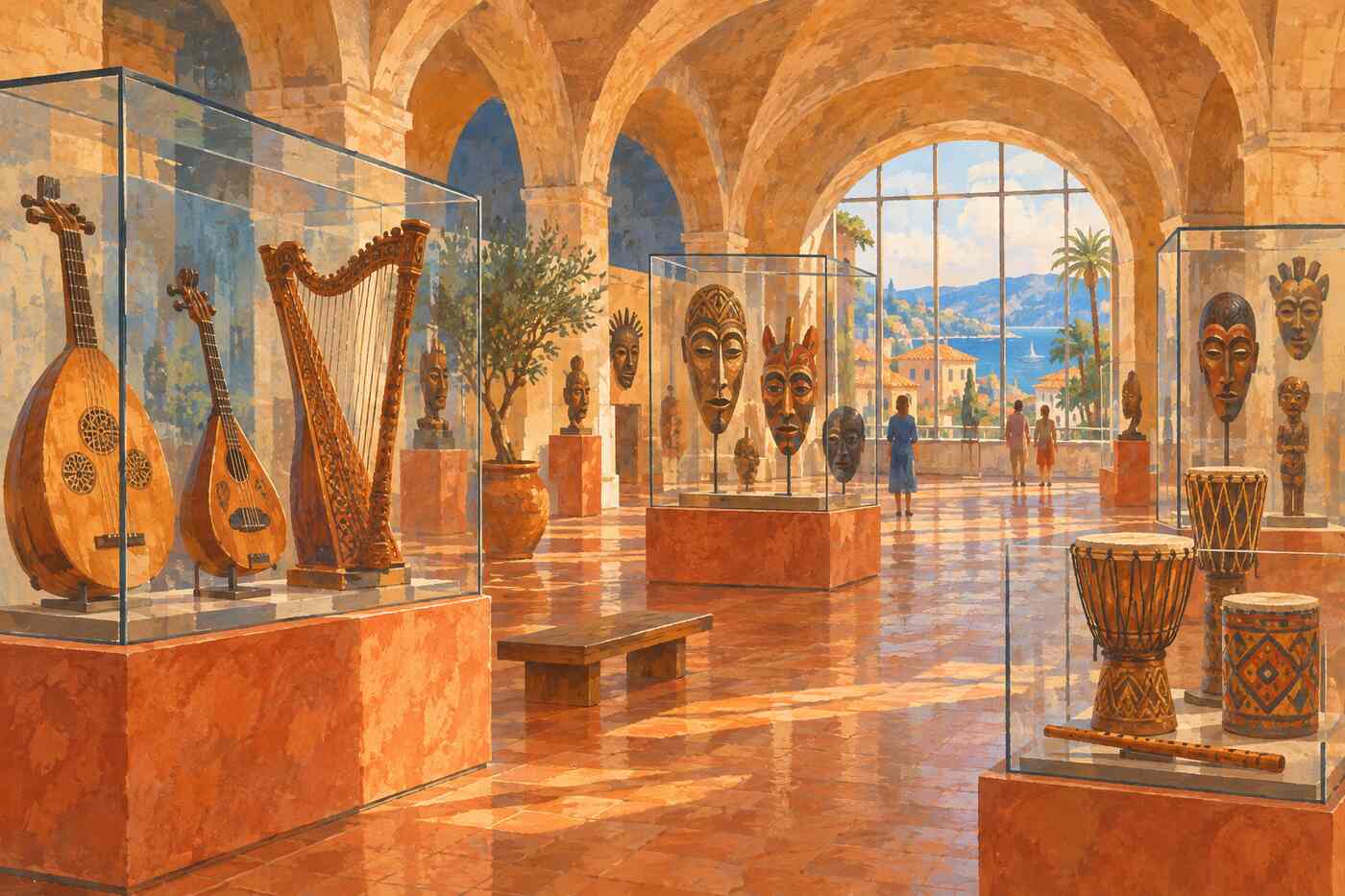
Beside the tower, the former castle of the Lérins abbots holds the museum long known as the Musée de la Castre, now the Musée des Explorations du Monde, according to Nomado’s museum page. Its collections include Himalayan and Tibetan objects, Arctic and pre-Columbian pieces, Mediterranean antiquities and 19th-century landscape paintings. Yeppa traces much of it to the 19th-century collector Baron Lycklama and gives an adult price of about €6, free under 18, with Mondays closed.
The museum circuit also includes the Romanesque chapel of Sainte-Anne, a single-nave building, and access to the tower.
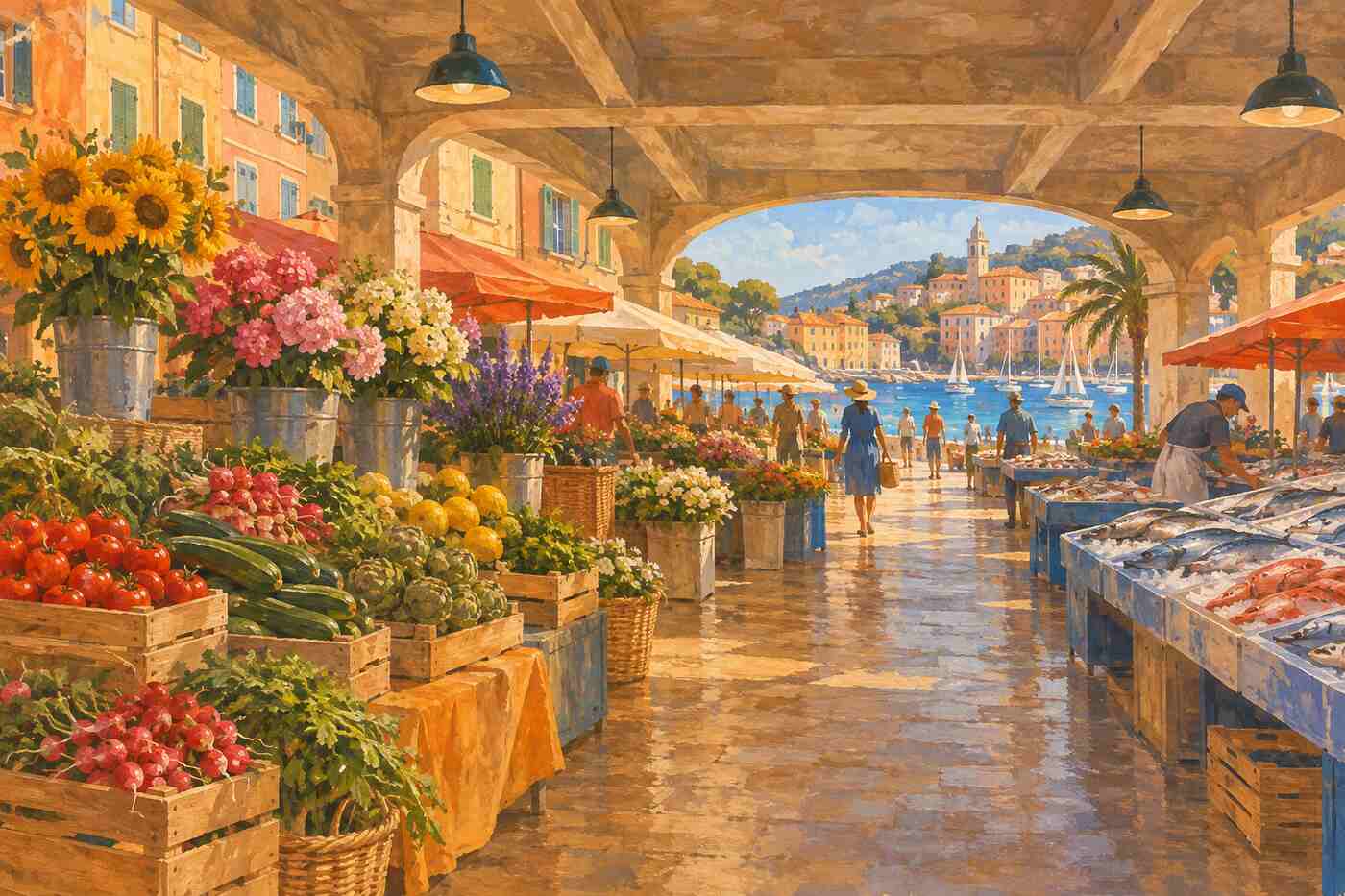
Rue du Suquet and the old-town evening
Rue du Suquet winds down the hill towards the port. Hotels.com notes that it was once the main road in and out of town and is now lined with restaurants and bars, naming Charly’s, the wine bar L’Enoteca and the cocktail bar La Mariska. Cannes City lists Charly’s as open daily from 5pm to 2.30am, to be confirmed. For later nights at the other end of the bay, see our guide to Cannes beach clubs and nightlife.
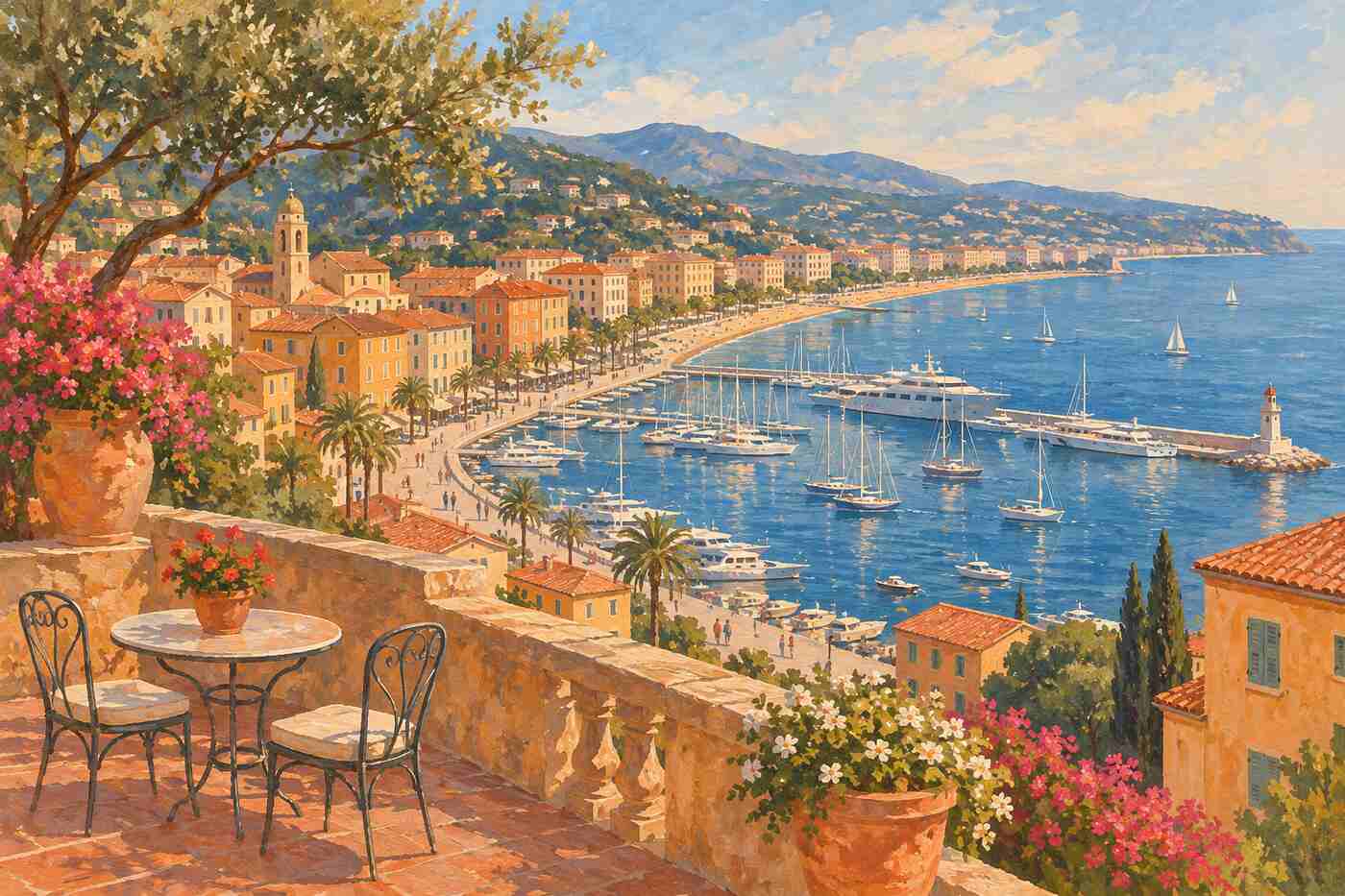
The Forville market
At the foot of the hill is the market Cannes Tourism calls the belly of Cannes. The Cannes town hall gives its hours as Tuesday to Sunday, 7am to 1pm, from 1 September to 30 June, and every day at the same hours in July and August. Cannes Tourism says the market was created in 1884 and that Mondays are for the flea market.
| Fact | Detail |
|---|---|
| First market | 1884 |
| Present hall | Built 1929 to 1932 by architect Henri Bret |
| Size | Almost 3,000 square metres |
| Hours | 7am to 1pm; Monday flea market outside summer |
| Works | Producers moved to the Allées de la Liberté since 16 April 2024 |
The hall details come from Cannes City’s Forville guide, which says the building holds the Ministry of Culture’s Architecture contemporaine remarquable label and that a roof garden of about 2,900 square metres is planned. The town is renovating the hall, so local producers and fishermen now sell in the large hall on the Allées de la Liberté, opposite the bandstand. Cannes City reports a second phase of works due to start in mid-October 2026 and no published reopening date.
Key takeaways
- Le Suquet is the original hilltop village of Cannes, fortified by the monks of Lérins.
- The Mont Chevalier tower is dated to the 11th or 12th century depending on the source, with 109 steps to the top.
- Notre-Dame d’Espérance was begun in 1521 and largely completed by 1627; entry is free.
- The old castle houses the Musée des Explorations du Monde, formerly the Musée de la Castre.
- The Forville market opens 7am to 1pm, Tuesday to Sunday, and every day in July and August.
Common questions
How do you get to Le Suquet?
On foot. Yeppa says Le Suquet is a ten-minute walk west along the old port from the Palais des Festivals, then about five minutes uphill via rue du Suquet. Cars are not allowed on the hill, according to Iconic Riviera, so wear comfortable shoes for the cobbles and stairs.
Is the Musée de la Castre the same as the Musée des Explorations du Monde?
Yes. Nomado and Cannes City both say the museum long known as the Musée de la Castre is now called the Musée des Explorations du Monde. It occupies the old castle of the Lérins abbots on the hilltop, and includes the chapel of Sainte-Anne and the tower.
When is the Forville market open?
According to the Cannes town hall, from 7am to 1pm, Tuesday to Sunday from September to June and every day in July and August. Outside summer, Monday is flea market day. Because of works, producers are currently in a hall on the Allées de la Liberté nearby.
Is Notre-Dame d’Espérance free to visit?
Yes, entry is free according to Nomado. The church sits at the top of Le Suquet beside the museum. Iconic Riviera lists it as open daily from 9am to 5pm, with guided tours at weekends. Check the times locally, as services take priority over visits.
How we put this together: the history and the church come from Nomado, Cannes City, Evendo and Cruise Turtle; the tower’s date differs between Yeppa and Cruise Turtle, so we give both; museum details come from Nomado and Yeppa; rue du Suquet comes from Hotels.com and Cannes City; market hours come from the Cannes town hall and Cannes Tourism; the hall and the works come from Cannes City; access and church hours come from Iconic Riviera. Checked 19 November 2026. Back to the Cannes Evenings home page, or take the boat to the Lérins Islands.
Sources
- Cannes City: Le Suquet and the Old Port
- Nomado: Le Suquet
- Nomado: Musée des Explorations du monde
- Yeppa: Le Suquet, the old town
- Cruise Turtle: Cannes
- Evendo: Cannes Old Town
- Iconic Riviera: Cannes in one day
- Hotels.com: Things to do after dinner in Cannes
- Cannes City: Bars, rooftops and pubs
- Ville de Cannes: Forville Provençal market
- Cannes Tourism: The Forville market
- Cannes City: Forville market and rue Meynadier